

Meditation
Here are the most popular types of meditation, along with a brief description of each. These can be used on a website, brochure, or presentation about meditation services.
Mindfulness Meditation

Purpose: Develop awareness of the present moment.
How it works:
- Focus on your breath, thoughts, emotions, and body sensations without judgment.
- Helps you stay grounded in the present.
Benefits:
- Reduces stress and anxiety
- Improves concentration
- Enhances emotional balance
Guided Meditation
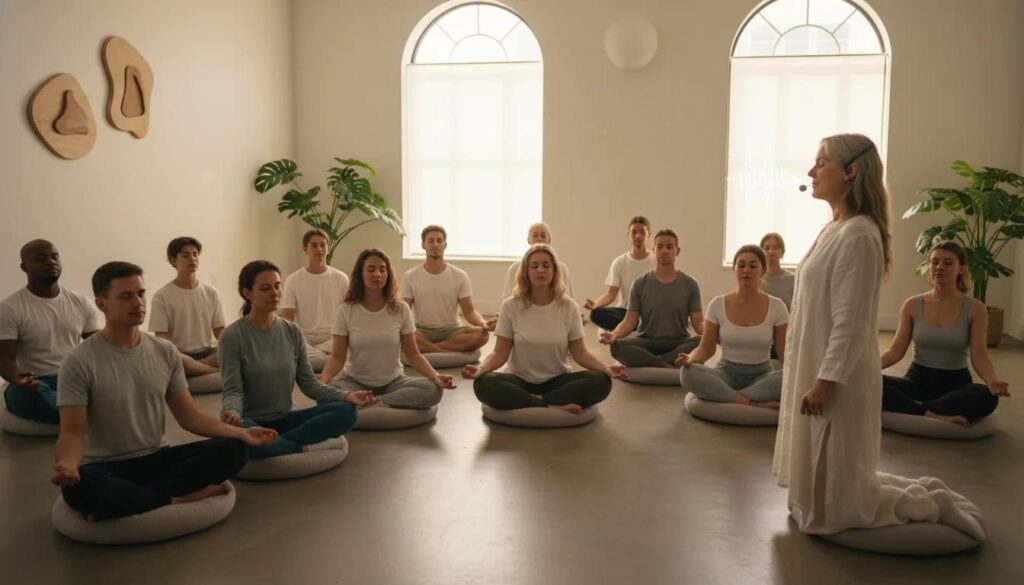
Purpose: Relax the mind with verbal guidance.
How it works:
- A meditation teacher or audio guide leads you through visualization or relaxation exercises.
Benefits:
- Reduces mental stress
- Easy for beginners
- Deep relaxation
- Better sleep
Chakra Meditation

Purpose: Balance the body’s seven energy centers.
How it works:
- Focuses on each chakra using visualization, affirmations, breath, and healing frequencies.
Benefits:
- Emotional healing
- Increased inner balance
- Improved energy flow
- Spiritual growth
Transcendental Meditation (TM)

Purpose: Reach a deeply restful state using a personal mantra.
How it works:
- Silently repeat a mantra for about 20 minutes twice daily.
Benefits:
- Deep mental relaxation
- Reduces stress
- Improves focus
- Lowers blood pressure
Loving-Kindness (Metta) Meditation

Purpose: Cultivate compassion and unconditional love.
How it works:
- Repeat positive wishes for yourself and others.
Benefits:
- Increases empathy
- Reduces anger
- Improves relationships
- Creates inner peace
Vipassana Meditation
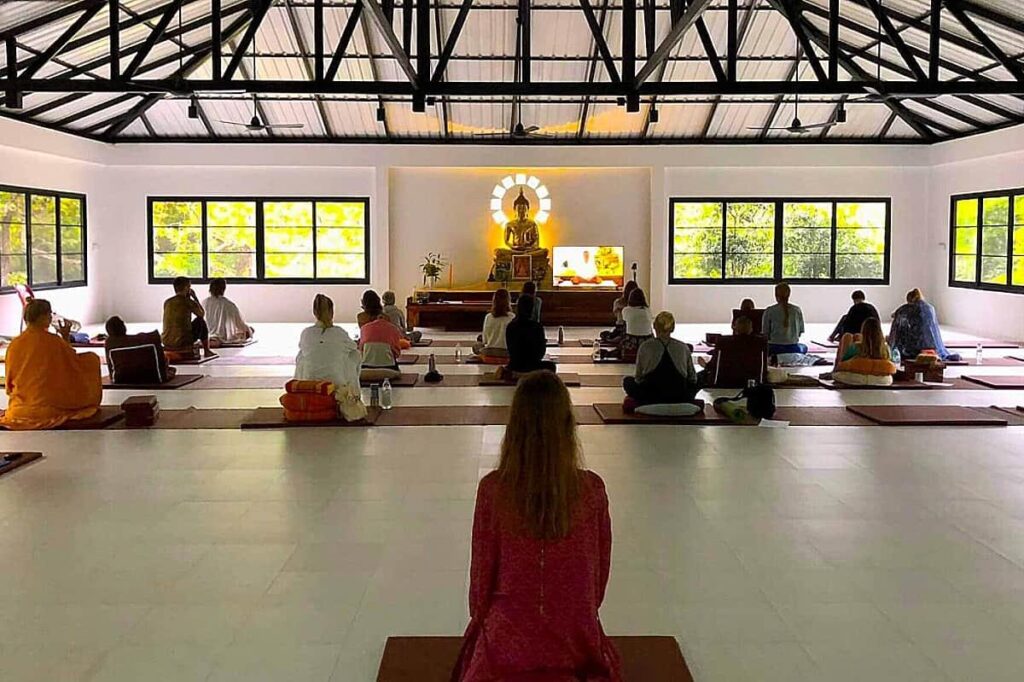
Purpose: Gain deep insight into the nature of the mind.
How it works:
- Observe physical sensations and thoughts without reacting.
Benefits:
- Self-awareness
- Emotional stability
- Mental clarity
- Freedom from negative habits
Breath Meditation (Pranayama Meditation)

Purpose: Calm the mind through conscious breathing.
How it works:
- Focus on inhalation and exhalation using specific breathing techniques.
Benefits:
- Reduces anxiety
- Improves lung capacity
- Increases energy
- Enhances concentration